
Will Failing an Ignition Interlock be a Violation in Arizona? Understanding Ignition Interlock Requirements
Operating a vehicle equipped with an ignition interlock device comes with strict rules you need to follow. These devices measure your breath alcohol content before allowing your car to start. They're designed to detect even small amounts of alcohol.
The devices are highly sensitive and sometimes register positive results from non-alcoholic sources. Common items like certain mouthwashes, breath mints, or even some foods can trigger a failed test. The device cannot distinguish between alcohol from these products and actual drinking.
Your state's laws determine when a failed test becomes an official violation. Different states have different rules about how many failed tests lead to penalties. Some states count a single failure as a violation, while others allow multiple failures before taking action.
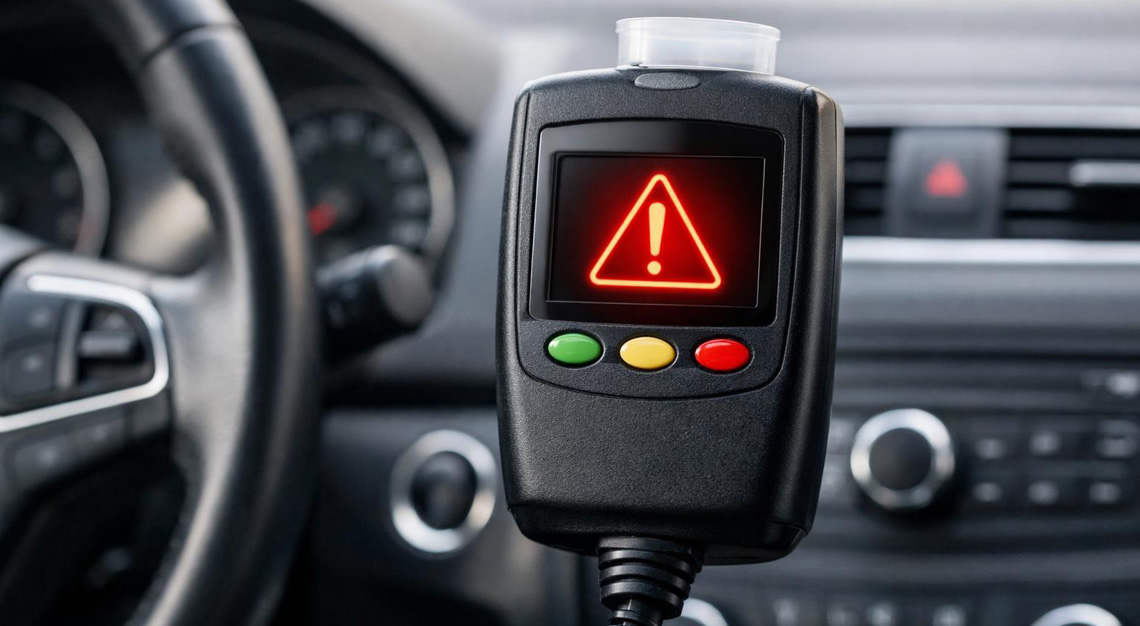
In Arizona, the rules vary based on your age. If you're 21 or older, two failed breath tests result in a violation. Drivers under 21 face stricter standards, with just one failed test counting as a violation. You'll also receive a violation if you miss or fail three rolling retests in a row.
Key Points About Failed Tests:
- Your device records every test result
- State authorities receive reports of all violations
- You receive official notice before penalties take effect
- You can request a hearing to challenge violations
Driving on a Restricted License in Arizona
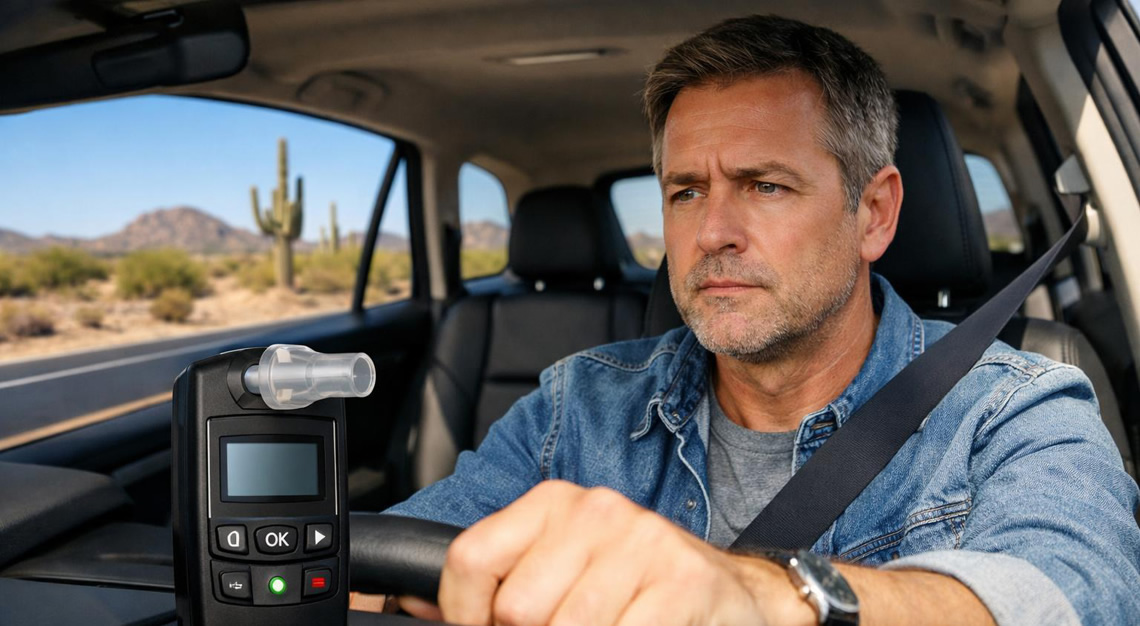
After a DUI arrest in Arizona, your driving privileges don't have to end completely. You can apply for a Special Ignition Interlock Restricted Driver License, which lets you continue driving under specific conditions.
15-Day Grace Period
Your license suspension doesn't start right away. You get 15 days from the time of your arrest to drive normally. During this period, you can use this time to prepare for the suspension and arrange transportation options.
You can challenge the suspension during these 15 days. Working with a lawyer quickly gives you the best chance to fight the suspension in court before it takes effect.
Suspension Lengths and Penalties
The duration of your suspension depends on how many offenses you have:
| Offense |
Suspension Length |
Jail Time |
Fines |
|
First |
90 days |
Up to 10 days |
Up to $1,600 |
|
Second |
1 year |
Up to 90 days |
Up to $3,000 |
|
Third |
4-24 months |
Up to $150,000 |
Getting a Special Restricted License
You can apply for a restricted license once your suspension begins. This license allows you to drive anywhere in Arizona, not just to work or school. The main requirement is installing a certified ignition interlock device in your vehicle.
To qualify, you need proof of device installation and completion of an alcohol screening from an approved provider. The Arizona Motor Vehicle Division issues these licenses during your suspension period. You must keep the interlock device in your car for the entire time your restricted license remains active.
What is an Ignition Interlock Device?
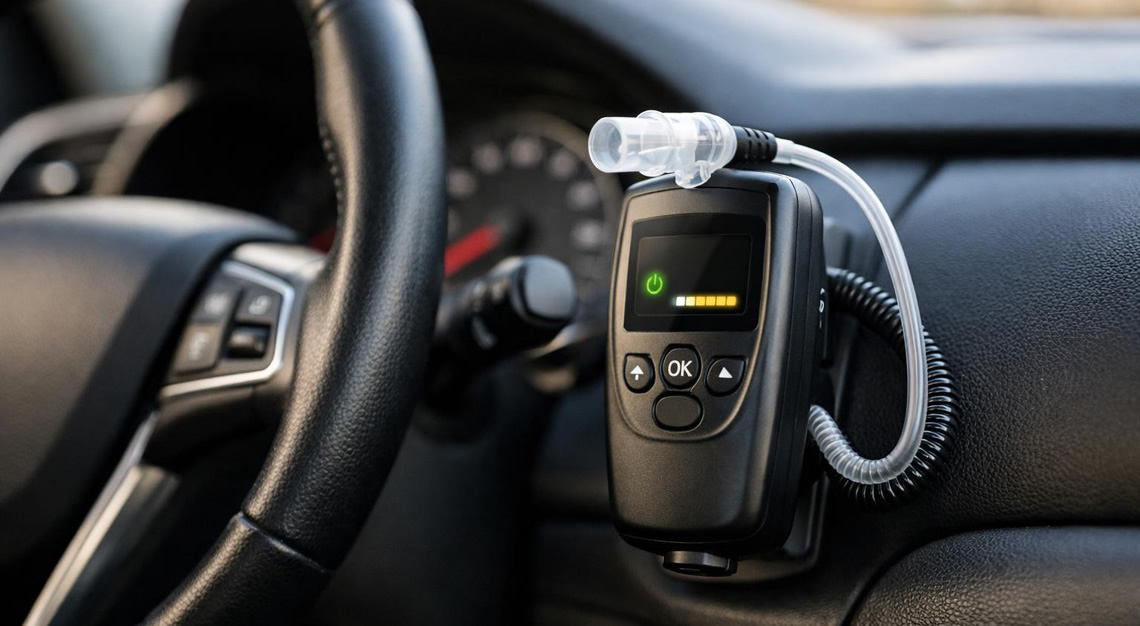
An ignition interlock device (IID) is a safety tool that stops drivers from operating their vehicle if alcohol is detected on their breath. The device works like a breathalyzer that connects directly to your car's starting system. Before you can turn on your engine, you must provide a breath sample into the IID.
The device measures your blood alcohol concentration (BAC) or breath alcohol concentration (BrAC). If your BAC exceeds the set limit, the interlock device will not let your vehicle start. In many states, this threshold is set at 0.02. If you fail the initial breath test, you'll face a brief lockout period before you can attempt another test.
Once your engine is running, the IID will ask for additional breath samples at random intervals. These are called rolling retests. If you fail a rolling retest while driving, an alarm will activate. You'll need to safely pull over, shut off your vehicle, and provide another breath sample to stop the alarm and verify the reading.
Ignition Interlock Violations
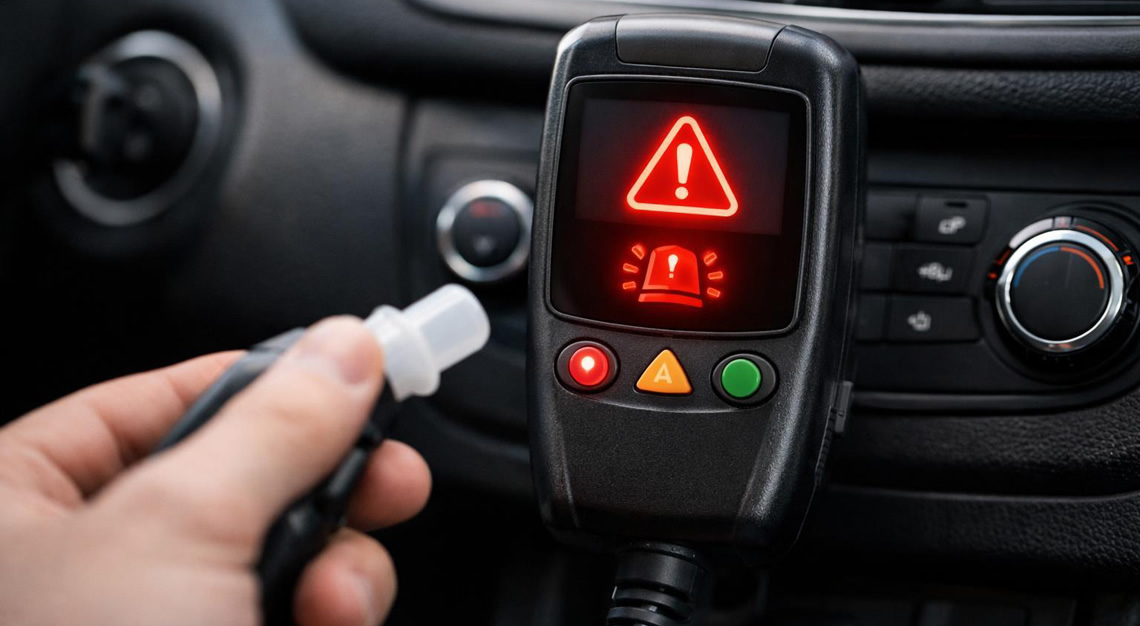
Breaking the rules of your ignition interlock program can lead to serious consequences. Your interlock provider monitors your device and sends real-time reporting to the authorities about any problems.
Failed Breath Test
A failed breath test happens when you blow into the device and it detects alcohol above the allowed limit. If you are under 21 years old, any failed test counts as an IID violation. If you are 21 or older, your first failed test is usually forgiven, but your second one triggers a violation.
Rolling Retest Issues
While you drive, your device will ask for a random retest to make sure you stay sober. Missing or failing three rolling retests creates a violation. This includes shutting off your car when the device asks for a sample, even if you do it by accident.
Missed Calibration
You must bring your vehicle to your interlock provider every 90 days for device checks. Missing this appointment will reset your program timeline and can suspend your license.
Tampering or Removal
Trying to tamper with or get around the device will extend your program by six months. You might also face criminal charges. Taking the device out early resets your entire program and suspends your license. The only exception is switching vehicles, which gives you 72 hours to move the device. You cannot drive during this change.
Eligibility for a Six-Month Deferment

First-time offenders with a one-year ignition interlock requirement may qualify to have the device removed after six months if they maintain good behavior. You need to meet specific requirements to be approved for this option.
Your DUI violation must have occurred within the past seven years with no prior DUI convictions during that time. The offense cannot be classified as an extreme DUI, and it must not have involved any type of accident.
You must finish 16 hours of substance abuse education before applying. Your ignition interlock record needs to show zero test violations throughout the entire six-month period. Additionally, you need to attend all four required 90-day calibration appointments on time. The state must receive electronic reports from these appointments, and your most recent check must be within 35 days of your application.
At least six months must pass from your reinstatement date before you can request deferment. Contact the MVD or an authorized third-party office when you're ready to submit your application. If the state approves your request, you will enter a probationary period for the remaining six months.
Tips to Avoid False Alarms With Your Ignition Interlock Device
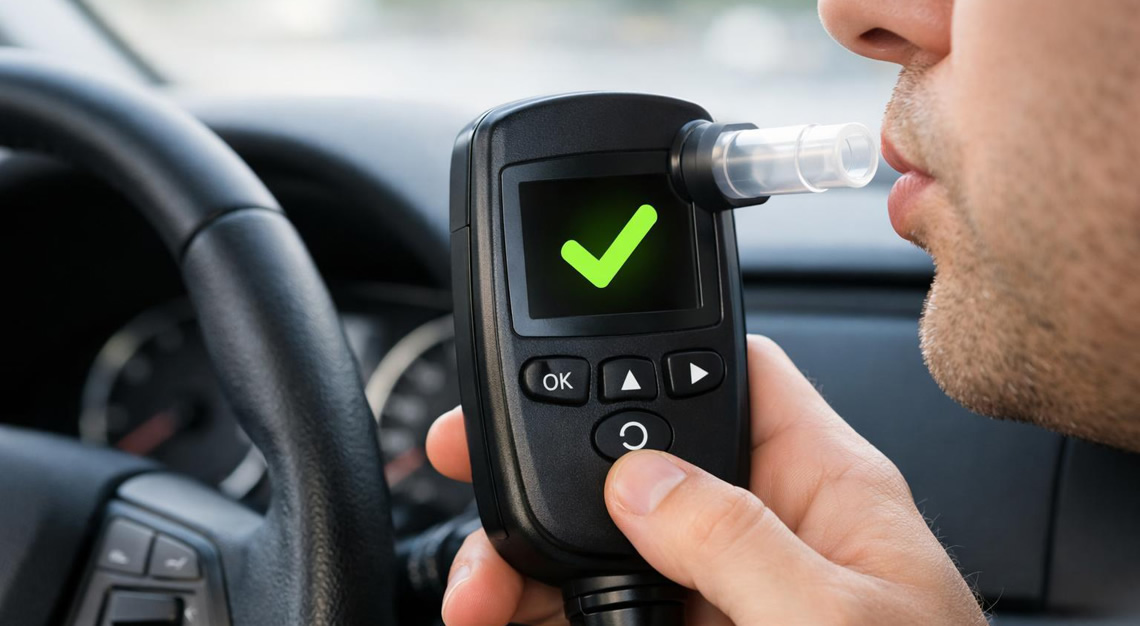
False readings can create serious problems during your monitoring period. You can reduce the risk of triggering unwanted alerts by following a few simple practices.
Daily Habits to Prevent False Readings:
- Rinse your mouth with water before each breath test
- Stay away from drinks containing alcohol
- Skip mouthwash products that list alcohol as an ingredient
- Check medicine labels and avoid cold remedies with alcohol content
- Keep breath mints and chewing gum out of your car
Food particles can break down in your mouth and create alcohol-like compounds. Brush your teeth well after meals, especially when you eat bread, pizza, or drink fruit juice. These items are more likely to ferment between your teeth.
Attend all scheduled recalibration appointments on time. Missing these required service visits can lock your device and prevent your vehicle from starting. Following these steps helps you complete your program without setbacks.
Receive Help With Ignition Interlock Defense
Ignition interlock systems can make errors even when you follow all the rules correctly. Technical problems or human mistakes can lead to violations that affect your driving privileges. These violations can create serious problems if you need your car for work or daily tasks.
You have options if you think a violation happened by mistake. A criminal defense lawyer can help you challenge the violation in court. They can review your case and look at the device records from companies like Intoxalock.
When to get legal help:
- You failed a test but had not been drinking
- The device showed a false positive reading
- Your probation officer reported a violation you disagree with
- You face license suspension or other penalties
A lawyer who knows these cases can protect your rights. They understand how interlock devices work and can spot technical errors. Getting legal support quickly gives you the best chance to fight unfair violations.
A qualified criminal defense attorney will evaluate the circumstances of your arrest and develop a strategy tailored to your situation. They can help reduce penalties or potentially dismiss charges.
Free consultations allow you to discuss your case with professionals who have helped many clients facing similar charges. Getting legal representation early protects your rights and your future opportunities.
Contact Phoenix DUI Lawyer Attorneys at Law at (602) 900-9891 to discuss your situation. Our criminal law team provides strong defense strategies for DUI cases throughout Arizona.


