

What Happens If You Refuse a Breathalyzer Test in Arizona: Legal Consequences and Penalties Explained
Arizona takes drunk driving enforcement seriously. When you get pulled over for suspected DUI, you may face a tough choice about taking a breathalyzer test. This decision can affect your driving privileges and your legal situation in major ways.
Knowing what happens if you refuse a breathalyzer is important for anyone who drives in Arizona. The state has specific laws that create automatic penalties for refusing these tests. Understanding these rules helps you make informed choices and protect your rights during a traffic stop.
Key Takeaways

Refusing a breath test after a DUI arrest in Arizona results in an automatic one-year license suspension for your first refusal. That suspension increases to two years if you have a previous refusal or DUI conviction within the last 84 months.
Law enforcement officers can request a warrant to draw your blood even when you decline the breath test. This means refusing does not stop the state from collecting evidence of your blood alcohol content.
Your refusal can be presented as evidence in court. Prosecutors may argue that declining the test shows you knew you were guilty. This evidence can hurt your case in both criminal proceedings and administrative hearings with the motor vehicle division.
The penalties for refusing a breath test are often harsher than the consequences of taking and failing the test. You face longer license suspensions and potentially more serious criminal charges when you refuse.
Contact an experienced DUI attorney right away if you refused a breathalyzer or face DUI charges in Arizona.
Arizona DUI Basics and Implied Consent
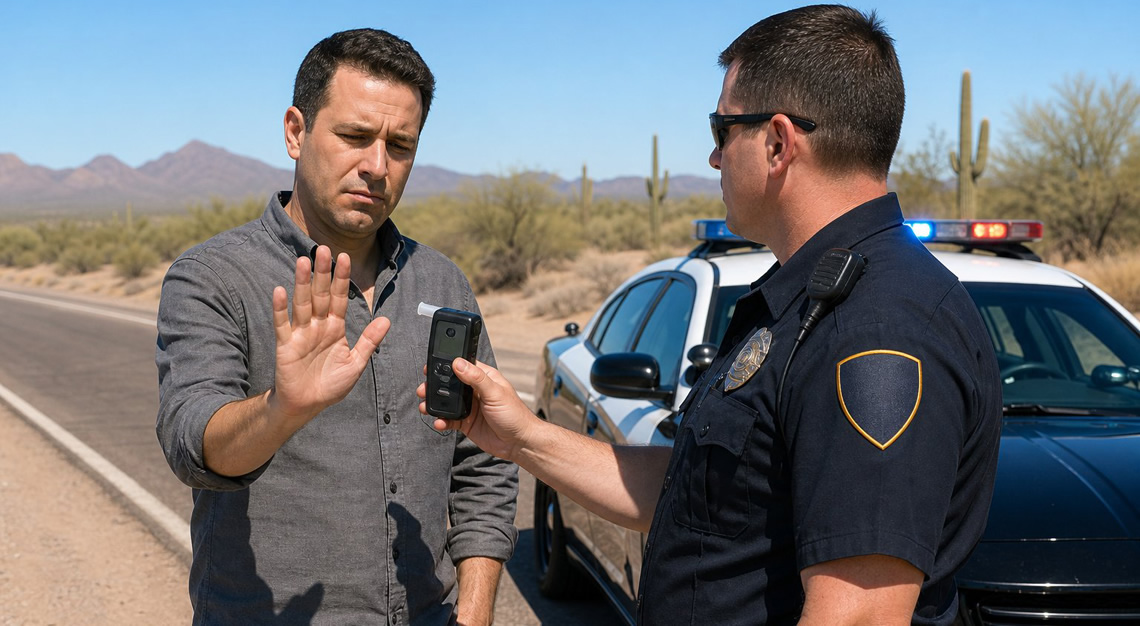
Arizona enforces some of the nation's toughest drunk driving laws. When you get your driver's license in Arizona, you automatically agree to chemical testing if police arrest you for suspected impaired driving. This agreement happens without you signing anything additional.
What Implied Consent Means
A.R.S. §28-1321 creates this automatic agreement. The moment you drive on Arizona roads, you consent to breath, blood, or urine testing if an officer lawfully arrests you with reasonable grounds to suspect DUI. This applies whether you drive in Phoenix, Scottsdale, Tempe, or anywhere else in the state.
Two Types of Arizona DUI Charges
Arizona prosecutes drunk driving cases in two ways:
- Per Se DUI: Your blood alcohol concentration (BAC) reaches 0.08% or higher (0.04% for commercial driver's license holders)
- Impairment DUI: You consumed alcohol and it affected your driving ability, even if your BAC falls below the legal limit
Main DUI Laws
Arizona's DUI framework includes several statutes:
|
Law |
What It Covers |
|---|---|
|
A.R.S. §28-1381 |
Standard DUI offenses |
|
A.R.S. §28-1382 |
Extreme DUI (0.15% BAC) and Super Extreme DUI (0.20% BAC) |
|
A.R.S. §28-1383 |
Aggravated DUI (felony charges) |
|
A.R.S. §28-1321 |
Implied consent and test refusal |
These laws create serious consequences for first-time and repeat offenders throughout Arizona.
Types of Breath Tests in Arizona: Roadside vs. Official Testing
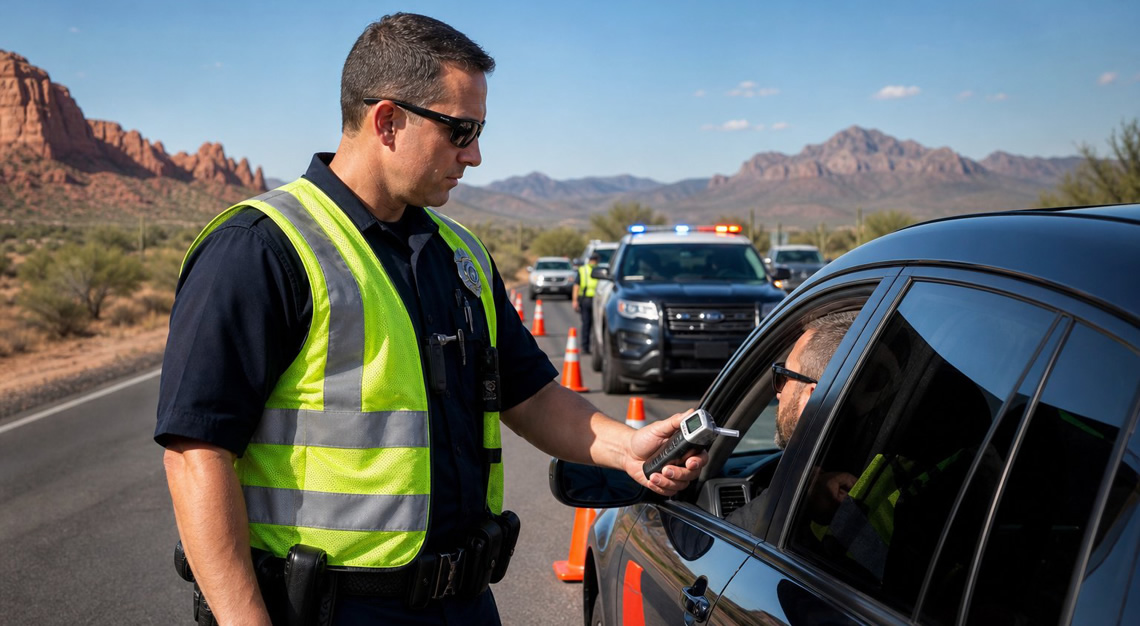
Arizona law enforcement uses two different breath tests during DUI stops. Understanding the difference between them is important because each test has different legal consequences.
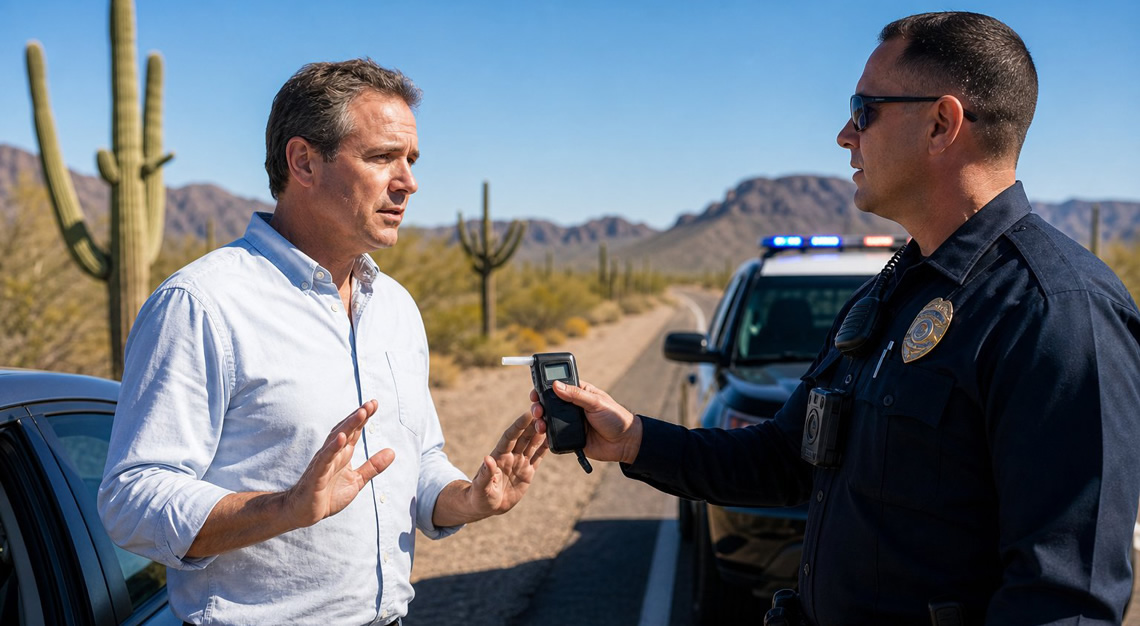
Roadside breath tests use small handheld devices. Officers give these tests during traffic stops to help decide if they have enough reason to arrest you. These portable breath tests are not the official tests connected to your driving privileges.
Official breath tests happen after arrest at the police station. Officers use calibrated machines like the Intoxilyzer 8000 to measure your blood alcohol content. This post-arrest breathalyzer is the test that matters for Arizona's implied consent law. If you refuse this official test, you face automatic penalties.
The differences matter:
- Officers can request breath, blood, or urine testing
- Refusing the official chemical test leads to the harshest penalties
- Saying no to a roadside test is not the same as refusing the station test
The penalties you face depend on which test you refuse and when you refuse it.
What Happens Immediately After You Refuse a Breathalyzer Test in Arizona?
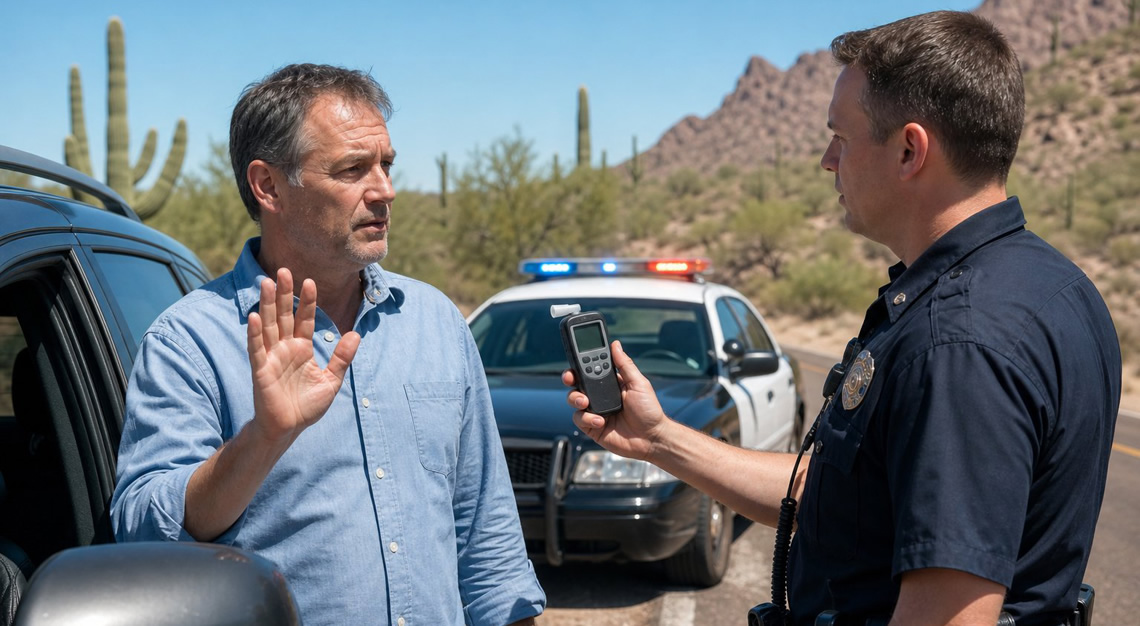
When you decline to take a breath test following a DUI arrest in Arizona, several actions occur right away. The police officer will take your driver's license from you at the scene. You will receive two documents: an order of suspension and a temporary driving permit that stays valid for about 15 days.
Arizona breathalyzer refusal does not stop your arrest. You will still face DUI charges and be booked into jail. In some cases, refusing the test may speed up the arrest process. The officer will write down your refusal in their police report and on Motor Vehicle Division forms.
Many police departments in Arizona now use electronic warrant systems. Officers can request and receive court approval for a blood test in just a few minutes. This means what happens if you refuse a breathalyzer often includes a mandatory blood draw anyway.
After getting the warrant, officers will take you to a hospital or police station for the blood test. You cannot refuse this blood draw because it is court-ordered. The original breathalyzer refusal gets documented and can be used against you in both criminal court and administrative license hearings.
License Suspension and Other Administrative Penalties for Breathalyzer Refusal
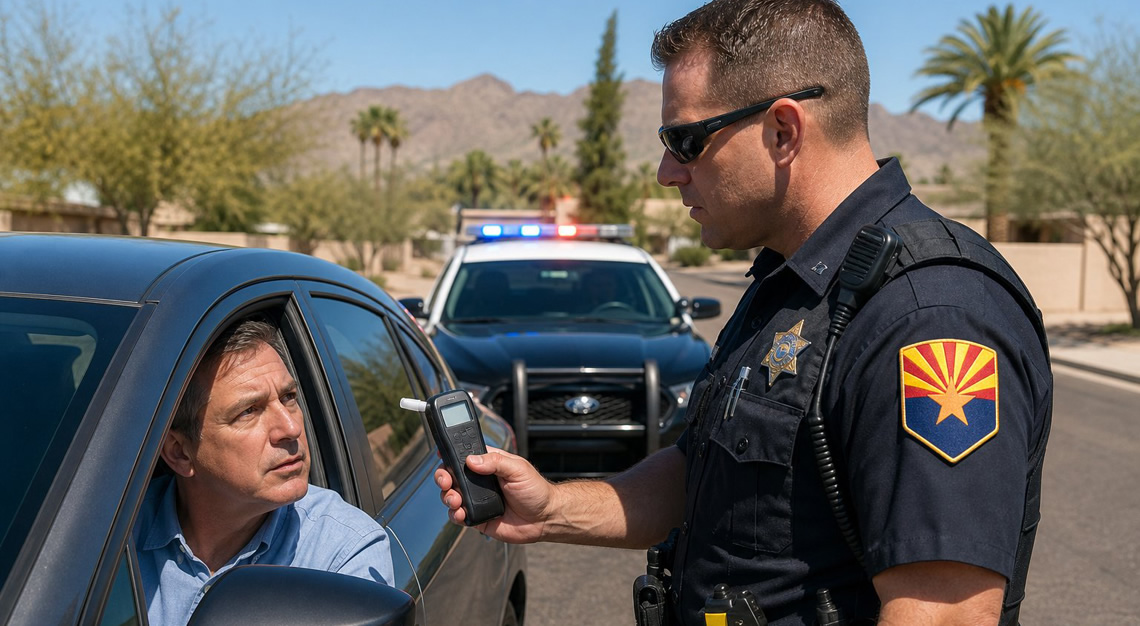
When you refuse a breathalyzer test, the Motor Vehicle Division takes action against your driving privileges separately from any criminal charges. These civil penalties happen through an administrative process that moves forward regardless of what occurs in criminal court.
Suspension Lengths Based on Your Record
Your driving history determines how long you lose your license:
- First refusal: You face a 12-month license suspension
- Second refusal or prior DUI: A 24-month suspension applies if you had any DUI conviction, license suspension, or test refusal in the past seven years
The administrative license suspension starts quickly. You typically have about 15 days from receiving the implied consent affidavit to request a hearing with the Motor Vehicle Division. If you miss this deadline, your suspension begins automatically.
Additional Penalties Beyond Suspension
Several other consequences come with refusing the test:
- An ignition interlock device may be required on your vehicle even without a DUI conviction
- You might lose eligibility for a restricted or work license in certain situations
- Your car insurance rates will likely increase substantially
- Some insurance companies may cancel your policy entirely
The administrative penalties work independently from criminal court proceedings. This means your license suspension can take effect before your court date arrives. You could face these penalties even if prosecutors drop the DUI charges or you win your case in court.
Each case differs based on your driving record and specific circumstances. The type of penalty you receive for refusing versus taking the test can affect your options for restricted driving privileges.
How Refusing a Breathalyzer Affects Your Criminal DUI Case
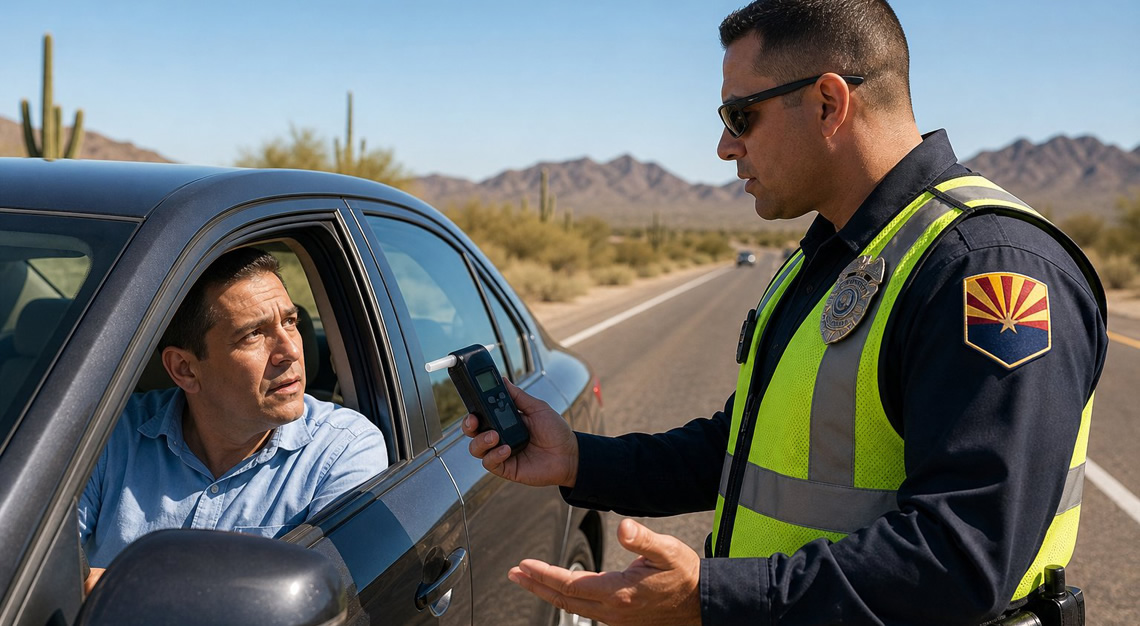
Choosing not to take a breathalyzer test will not stop the state from charging you with DUI. Police and prosecutors can still build a case against you using other types of evidence.
The prosecution may tell the jury that your refusal shows you knew you were guilty. Courts in many states allow this argument at trial. Your decision not to test can become a piece of evidence working against you.
The state can still prosecute you based on:
- How the officer saw you acting and looking
- The way you were driving before the stop
- Your performance on roadside sobriety tests
- Video recordings from police cameras
- Things you said to the officer
- Blood test results if police got a warrant
If officers get a warrant for a blood draw after you refuse, you face a worse situation. You will deal with both the DUI charges and the license penalties from refusing. The blood test result can still be used against you in court.
Your refusal does block some defense strategies. Your lawyer cannot challenge the breathalyzer machine's accuracy or maintenance records. However, new defense options may open up. Your attorney might argue that police did not properly explain your testing rights or that you never actually refused.
Breath Test vs. Blood Test in Arizona DUI Cases
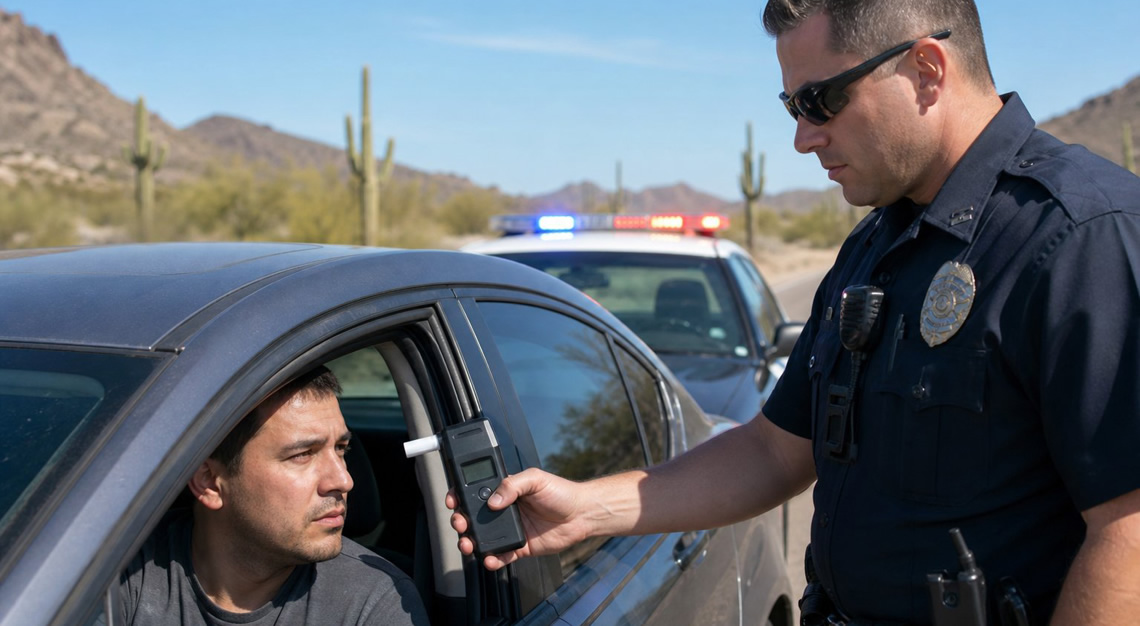
Arizona DUI stops often involve two main testing options: breath tests and blood tests. Each type carries different legal requirements and practical implications for your case.
How Each Test Works Under the Law
Police can ask you to take a breath test after they arrest you for suspected DUI. Blood tests work differently because officers typically need to get a warrant first before requiring you to submit.
When you decline a breath test, police often respond by obtaining a warrant for a blood draw instead. Blood testing can detect both alcohol and certain drugs in your system, giving prosecutors more detailed evidence to use against you.
Problems With Testing Accuracy
Breath testing devices can produce incorrect readings for several reasons. Your diet, metabolism, and whether the machine was set up properly can all affect your results. Medical issues like acid reflux may also cause false high readings on breath tests.
Blood testing requires careful handling at every step. Police must collect, store, and analyze blood samples using specific procedures. Mistakes in any of these steps create opportunities to challenge the test results in court.
What You Need to Consider
|
Choice |
Possible Outcome |
|---|---|
|
Refuse breath test |
May face blood test anyway plus 12-month license suspension |
|
Take breath test |
Avoid refusal penalties but give prosecutors a BAC number |
Your decision affects both the evidence against you and your driving privileges.
Is It Ever Smart to Refuse a Breathalyzer Test in Arizona?
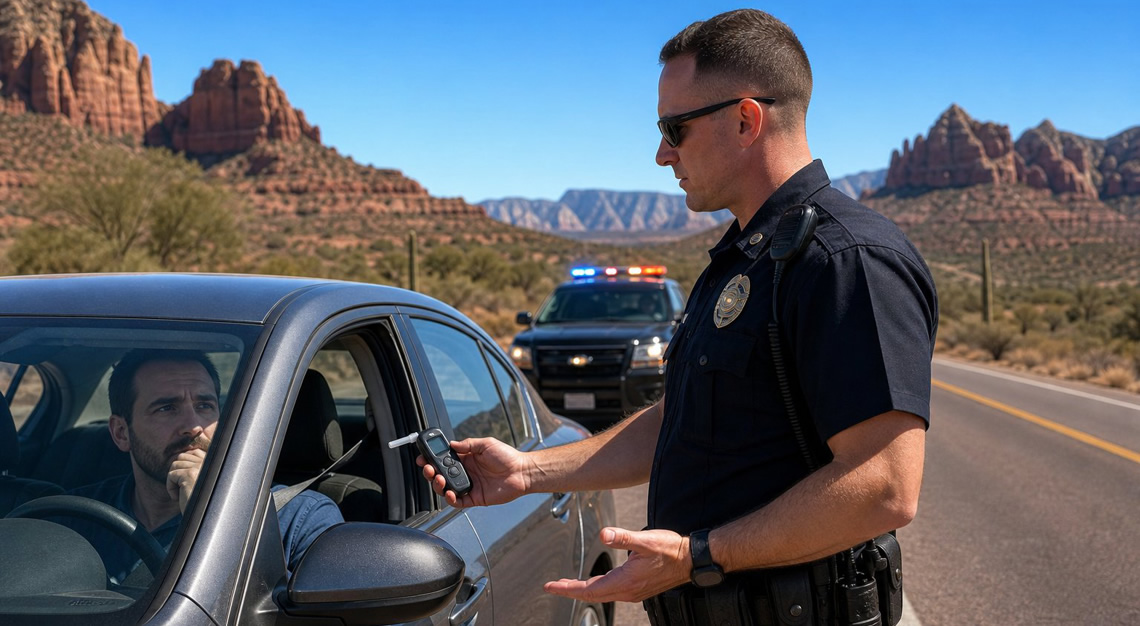
The decision to refuse depends entirely on the specific facts of your situation. There is no universal answer that works for everyone.
When refusing might work in your favor:
- You were not involved in a crash
- Police have limited evidence of your actual driving
- Field sobriety test observations were weak
- The state would struggle to prove impairment without a BAC reading
When refusing could create bigger problems:
- You have previous DUI convictions in the past seven years
- You hold a commercial driver's license
- An accident caused injuries or a child was in your vehicle
- The charges could escalate to aggravated DUI
If you believe your blood alcohol level is below the legal limit, taking the test might prevent the automatic suspension and help your case. However, you must make this choice quickly under pressure.
Your best option during a DUI investigation is to ask for a lawyer. Stay polite and avoid saying anything that could hurt your case while you wait for legal help.
Defenses and Strategies in Arizona Breathalyzer Refusal Cases
When you face a breathalyzer refusal charge, several defense approaches may apply to your situation. Your attorney can examine whether law enforcement properly explained your rights under Arizona's implied consent law. If the officer gave confusing or incorrect warnings, this could form the basis of your defense.
Common defense arguments include:
- The arresting officer lacked reasonable grounds to make the stop or arrest
- Required state procedures were not properly followed
- Medical conditions prevented you from providing a valid breath sample
- Language barriers caused misunderstanding of the officer's instructions
- You were confused by multiple or unclear test requests
Your lawyer can obtain and review all case materials. This includes police reports, video footage from body and dashboard cameras, state motor vehicle documents, and consent forms. If blood was drawn under warrant after your refusal, lab records should also be examined.
You have the right to challenge your license suspension at an administrative hearing. During this hearing, your attorney can question the officer and argue that legal requirements were not met.
Steps to Take After Refusing a Breathalyzer in Arizona
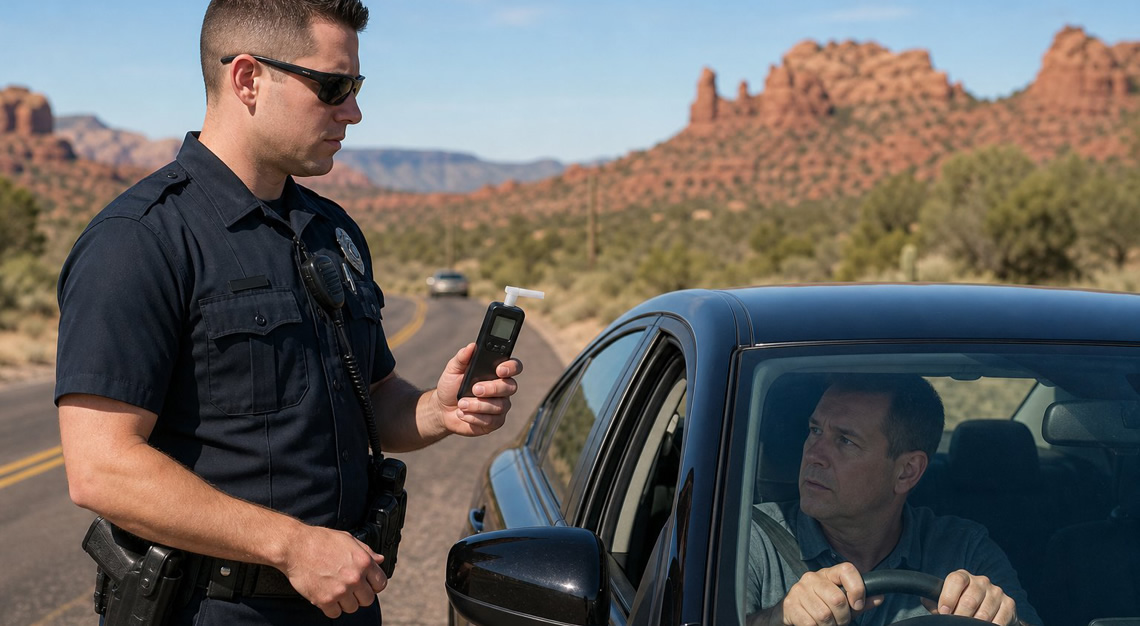
If you refused a breathalyzer and were arrested, you need to act right away. Time is critical for protecting your rights and your driver's license.
Go through all the papers the officer gave you. Look for the temporary driving permit and any forms about your license suspension. These documents include important deadlines you cannot miss.
Write down everything you remember about what happened. Include what the officer said to you, how the stop began, and whether anyone read you your rights. Record these details now while your memory is clear.
Get legal help immediately. An attorney can:
- File required hearing requests before deadlines pass
- Collect video footage and other evidence
- Challenge the license suspension
- Build your defense strategy
Waiting too long closes doors that could help your case. Many legal options disappear if you miss early deadlines or if evidence is lost.
Common Questions About Breathalyzer Test Refusals in Arizona
Do I Have the Right to Speak With a Lawyer Before Taking a Breathalyzer?
You have a limited right to contact an attorney before deciding on a chemical test. Police must give you a reasonable chance to make a phone call if you ask for one.
However, officers are not required to wait indefinitely for you to reach a lawyer. If reaching your attorney causes too much delay, the police may treat this as a refusal to test.
The best approach is to ask politely for legal counsel as soon as you are arrested. You still need to follow the officer's lawful instructions while they decide how to proceed.
Getting help from an experienced DUI attorney is important whether you took the test or refused it. They can guide you through the legal process and protect your rights.
Are CDL Holders Affected Differently by a Test Refusal?
Commercial drivers face stricter rules and harsher penalties than regular drivers. Federal and state regulations set a lower BAC threshold of 0.04 for CDL holders.
Refusing a breathalyzer triggers the standard license suspension. It also leads to additional disqualification of your commercial driving privileges.
Key consequences for CDL holders include:
- Loss of commercial driving privileges
- Impact on current employment
- Difficulty finding future driving jobs
- Longer disqualification periods
These penalties can be devastating for professional drivers who rely on their CDL for income. Immediate legal help is critical to explore options for protecting both your regular license and your career.
What Happens If I Cannot Physically Provide a Breath Sample?
Arizona law treats true refusal differently from an inability to blow into the device. Some medical conditions make it difficult or impossible to provide a breath sample.
Legitimate medical reasons include:
- Severe asthma
- Lung disease
- Recent chest or throat surgery
- Other respiratory conditions
Officers may interpret multiple failed attempts as refusal unless you clearly explain your medical limitation. Tell the officer about any health issues at the time of testing.
Later, you can provide medical records and doctor statements to support your claim. An attorney can present this evidence at an MVD hearing or in court to challenge the refusal finding.
Can I Remove a Refusal From My Record?
Arizona offers limited options for clearing your driving record. The state's expungement and set-aside laws mainly apply to criminal convictions, not administrative actions by the MVD.
Your implied consent suspension stays on your driving record for many years. Even if your DUI charge gets reduced or dismissed, the refusal itself remains visible.
You might be able to set aside a DUI conviction later. This does not erase the MVD suspension or the refusal from your driver history.
The most effective strategy is to act quickly after arrest. Challenge the suspension early and work toward the best possible outcome in both the criminal case and the administrative hearing.
When Should I Contact an Attorney After Refusing a Test?
Reach out to legal counsel immediately after your arrest. Time-sensitive deadlines begin right away, often within 15 days.
You must request an MVD hearing within this short window to contest your license suspension. Missing this deadline means you lose your chance to challenge the automatic suspension.
Early legal involvement provides several advantages. Your attorney can file required paperwork, obtain police reports and video footage, and start building your defense strategy.
Professional legal representation is essential after a refusal. An attorney can fight the license suspension and defend you against criminal DUI charges in court.
Why Choose Phoenix DUI Lawyer for Your Arizona DUI or Breathalyzer Refusal Matter?

When you face DUI charges or penalties from refusing a breathalyzer, you need experienced legal representation that understands Arizona's complex laws. Phoenix DUI Lawyer's criminal defense team focuses specifically on DUI cases throughout Maricopa County and nearby areas.
The firm's attorneys work to challenge test results and procedural errors in your case. This includes examining how breath tests and blood tests were administered and whether officers followed proper protocols.
Key ways Phoenix DUI Lawyer helps clients:
- Fighting MVD license suspensions
- Challenging implied consent procedures
- Reducing potential jail time and fines
- Providing honest case evaluations
You'll receive straightforward explanations of your legal options and consistent updates as your case moves forward. An Arizona DUI lawyer from Phoenix DUI Lawyer can review the specific details of your situation during a private consultation.
Call (602) 900-9891 to speak with the Phoenix DUI Lawyer DUI team about your case.


