
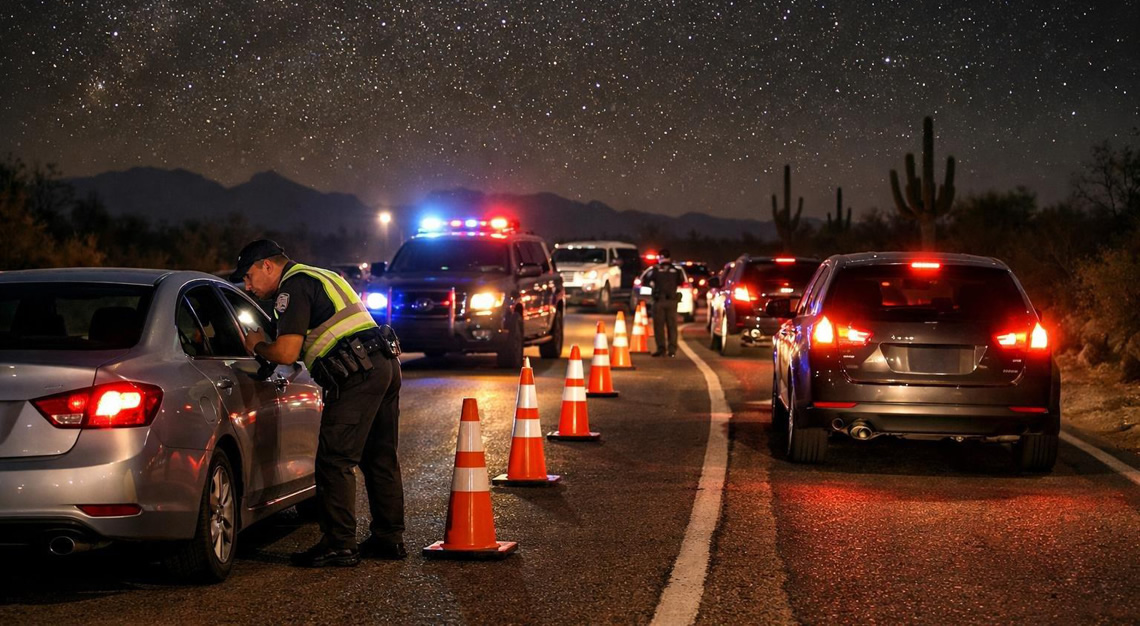
How do DUI Checkpoints Work in Arizona? What Drivers Need to Know
Getting Started With Sobriety Checkpoints
Arizona operates sobriety checkpoints on a regular basis, joining 37 other states across the country that use this law enforcement method. Not all states allow these stops. Some have ruled them unconstitutional under the Fourth Amendment, which protects against unreasonable searches and seizures without probable cause.
You'll typically encounter these checkpoints during late night and early morning hours. Police often set them up on Fridays, Saturdays, and holidays when impaired driving tends to happen more often. The checkpoints can appear monthly or even more frequently depending on your area.
When You Might See Checkpoints:
- Weekend nights
- Holiday periods
- Late evening through early morning hours
Just because Arizona allows these checkpoints doesn't mean you give up your constitutional protections. You still have specific rights when you approach and pass through a checkpoint. Understanding these rights helps you handle the situation properly while staying within the law.
How Arizona DUI Checkpoints Work
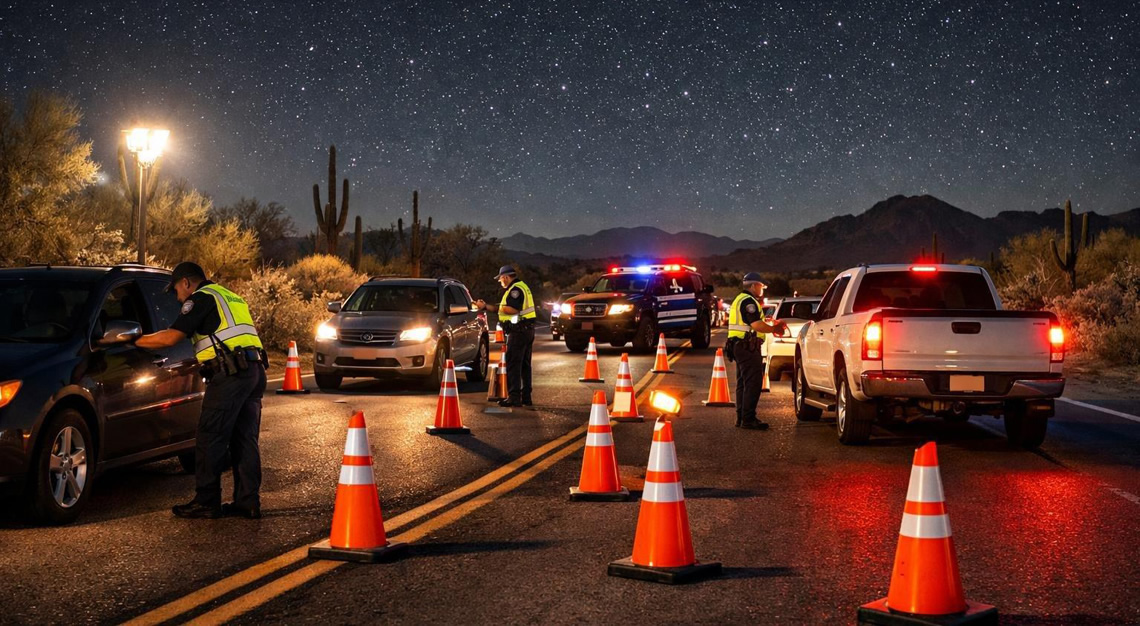
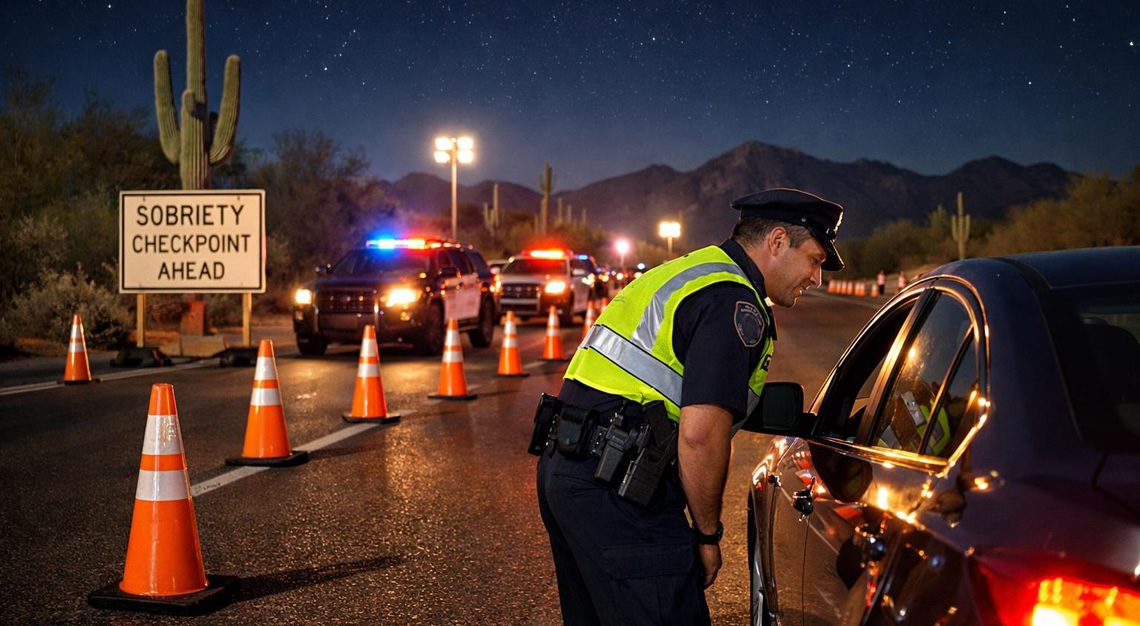
DUI checkpoints are designated spots where officers stop vehicles to screen for impaired drivers. Police usually place these stations in locations near places where alcohol is served, like entertainment venues or sports arenas. They can appear almost anywhere across the state.
Officers must announce checkpoint locations ahead of time through newspapers or local media outlets. The checkpoints need clear signage so you know what's ahead.
When you approach a checkpoint, police follow specific patterns for stopping vehicles. They might stop every car that comes through. They could also use a set pattern, like stopping every third or fifth vehicle.
What happens during the stop:
- Officers ask you questions
- They watch how you act and move
- They look for signs you might be impaired
- They may request field sobriety tests if they suspect intoxication
Arizona DUI checkpoints are legal when law enforcement follows proper procedures. Officers must stick to constitutional rules when they run these operations. You can find information online about where past checkpoints took place.
Field Sobriety Testing Methods in Arizona
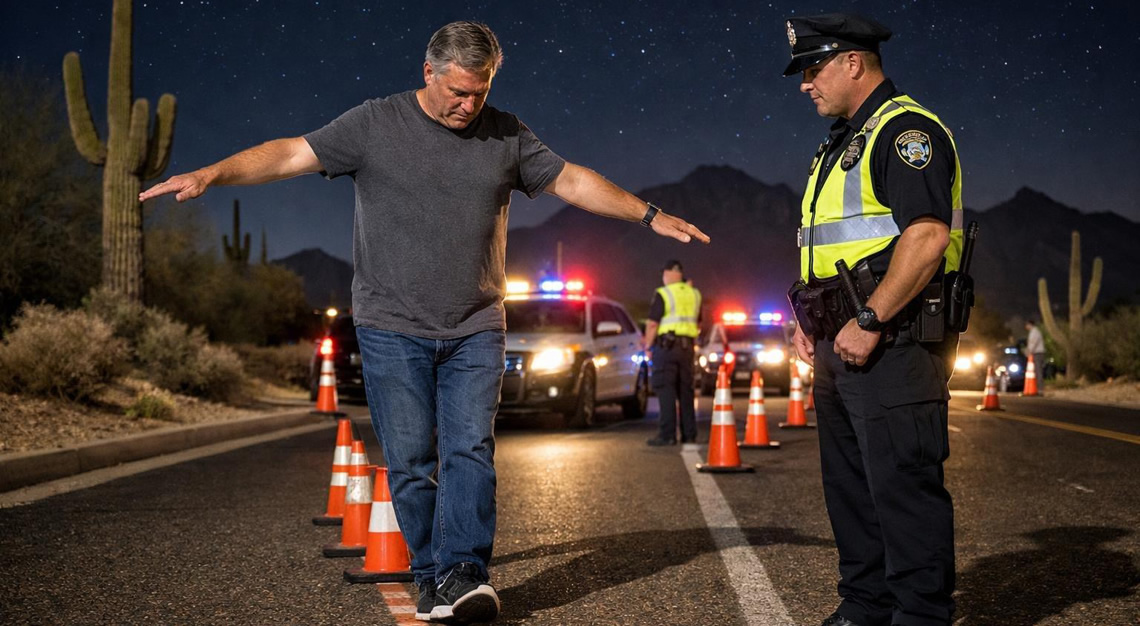
When an officer suspects you may be driving under the influence, they can ask you to complete physical and cognitive evaluations. These tests check your ability to focus, balance, and follow instructions. Officers use these evaluations to gather evidence of potential impairment.
Arizona law enforcement commonly uses three standardized tests:
- Horizontal Gaze Nystagmus - You track an object like a pen or flashlight with your eyes while keeping your head still. The officer watches for involuntary eye movements that may indicate impairment.
- Walk and Turn - You take several steps heel-to-toe along a straight line, turn around, and walk back. This test evaluates your ability to follow directions while maintaining balance.
- One-Leg Stand - You lift one foot off the ground and hold that position for about 30 seconds. The officer observes your balance and steadiness.
Officers may also request a portable breath test at the roadside. This differs from the official breath test or blood test given after an arrest.
Your performance on these tests can become evidence in court. The officer will likely testify about what they observed during your evaluation. Understanding what these tests involve helps you make informed decisions during a traffic stop.
Reliability of Physical Impairment Testing
Field sobriety tests face serious questions about their reliability. These roadside evaluations depend heavily on officer judgment, which makes them subjective by nature. Even people who have not consumed any alcohol sometimes fail these tests.
Many factors can affect your performance that have nothing to do with drinking. Your age, physical condition, or prescription medications can all impact how well you complete these tasks. Some people lack the balance needed to stand on one leg for 30 seconds even when completely sober.
External conditions also play a major role in test results. Poor weather, dim lighting, or uneven pavement can make it nearly impossible to perform these tests correctly. These physical assessments differ from breathalyzer tests, which measure your blood alcohol concentration through chemical analysis.
National Highway Traffic Safety Administration accuracy rates:
- Horizontal Gaze Nystagmus (HGN): 77% accurate
- Walk-and-turn: 68% accurate
- One-leg stand: 65% accurate
These numbers show that field sobriety tests miss the mark in many cases. None of these evaluations come close to perfect accuracy when detecting actual impairment or determining BAC level.
The low accuracy rates create opportunities to challenge DUI charges. Courts may dismiss cases when these tests serve as the primary evidence of impairment. Understanding these limitations helps you recognize when officers may be building a weak case based on unreliable signs of impairment.
What You Can and Cannot Be Required to Do at a Sobriety Stop
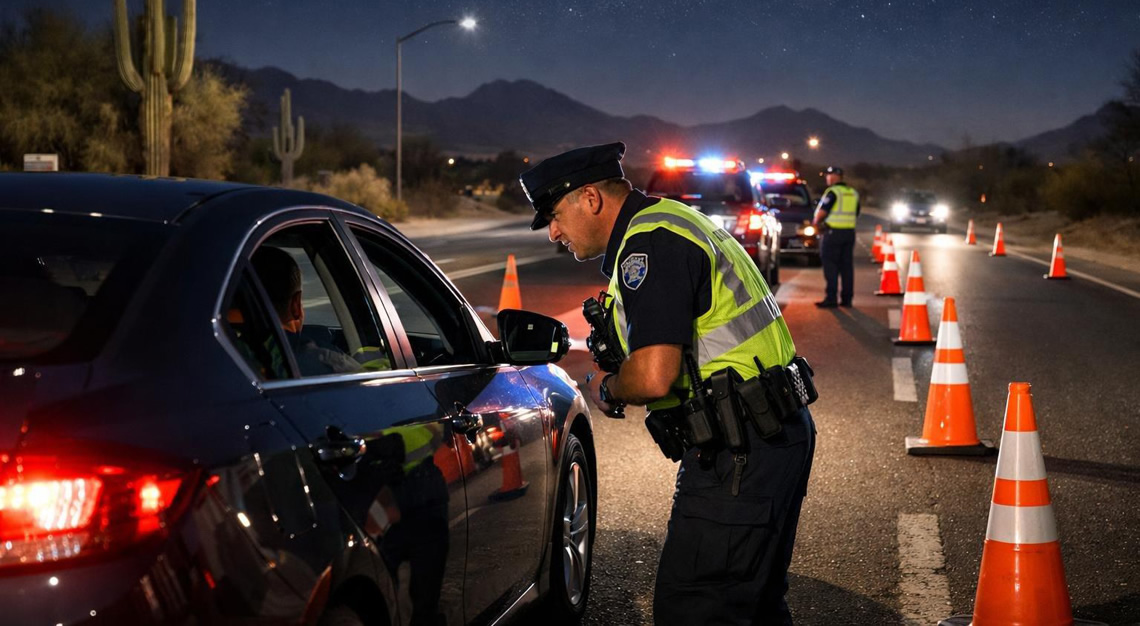
When police stop you at a checkpoint, you maintain specific protections under the law. Officers can only require certain things from you during the stop.
What Officers Can Legally Require
You must provide your driver's license, vehicle registration, and insurance documentation when asked. If an officer instructs you to exit your vehicle, you must comply with that command. Refusing to step out of your car can result in criminal charges.
What You Can Legally Decline
Field sobriety tests are voluntary in Arizona. This includes physical coordination tests, breathalyzer tests, and preliminary blood tests at the checkpoint. You can refuse these tests without it being treated as an admission of wrongdoing. Officers may tell you that taking the test is in your best interest, but no law requires you to submit to field sobriety testing.
Your Right to Limit Conversation
You can stay silent during most of the interaction. While you must provide basic identifying information and documents, you don't have to answer other questions. If an officer asks whether you've been drinking or where you're coming from, you can politely decline to respond.
Be careful about casual conversation. Statements like "I only had two beers" can be used as evidence against you later in court. A simple response such as "I prefer not to answer questions" is appropriate.
Protecting Yourself
Stay polite and respectful during the entire stop. Follow direct commands about providing documents or exiting your vehicle. Contact a lawyer immediately after the checkpoint if you face any charges. Quick legal guidance helps protect you from unintentional mistakes that could harm your case.
Can You Refuse a DUI Test in Arizona?
You can refuse field sobriety tests when stopped at a DUI checkpoint in Arizona. These physical tests check your balance and coordination. Police cannot force you to perform them.
However, refusing these tests has real consequences. Officers may arrest you based on their suspicion that you've been drinking. They can then take you to the police station for more testing. Prosecutors may also point to your refusal in court as evidence that you feared failing the test.
After refusing field sobriety tests, officers typically request a breathalyzer test. These devices measure alcohol levels in your blood. Portable breathalyzers used at roadside stops are less accurate than station equipment.
Chemical Test Options:
- Breath test (most common)
- Blood test
- Urine test
Chemical tests provide more reliable results than field sobriety tests. You can legally refuse these tests too, but this choice carries serious penalties.
Refusing a chemical test triggers an automatic driver's license suspension for at least 12 months. This suspension happens regardless of whether you're later convicted of DUI. Police often respond to test refusal by getting a search warrant. This warrant compels you to submit to testing anyway.
Arizona's implied consent law means you agreed to chemical testing when you got your driver's license. Breaking this agreement brings administrative penalties separate from any criminal charges.
Getting Help After a DUI Checkpoint Arrest
If police arrest you at a checkpoint, you need to act quickly. A lawyer who handles Arizona DUI cases can review what happened during your stop and look for problems with how officers ran the checkpoint.
Legal help matters because DUI charges carry serious penalties. An attorney who focuses on DUI defense can work to reduce your charges or lower the penalties you face.
What a lawyer can do for you:
- Review checkpoint procedures for violations
- Challenge evidence from your stop
- Negotiate with prosecutors
- Build a defense strategy for your case
You should contact a criminal defense attorney as soon as possible after your arrest. The sooner you get help, the more options you may have to fight your DUI charges.
Working with experienced legal representation can make a significant difference in your case outcome. An attorney can challenge evidence, negotiate reduced charges, and fight to minimize penalties.
Contact Phoenix DUI Lawyer Attorneys at Law at (602) 900-9891 to discuss your situation. Our criminal law team provides strong defense strategies for DUI cases throughout Arizona.


