
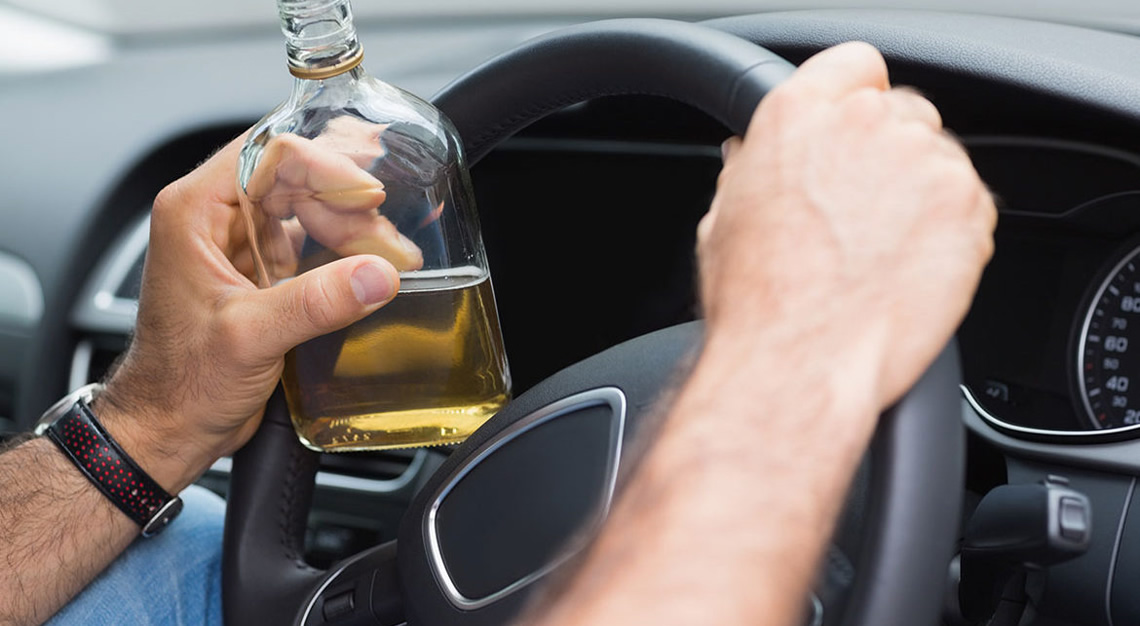
If you were stopped tonight for a DUI in Arizona, would you know what to do?
The state of Arizona is tough on DUI’s. 1.7% of people in Arizona said that they drove after drinking too much in 2012. There were 27,104 DUI arrests in Arizona in 2018 alone. Because of this high rate of driving under the influence, Arizona has implemented enforcement strategies like sobriety checkpoints, to catch drunk drivers and deter that behavior. However, despite Arizona’s tough laws against drunk driving, it is still an extremely common occurrence.
Arizona DUI Laws
Arizona’s DUI laws are very strict. Any driver 21 or older who is driving while under the influence of alcohol or any drug is guilty of a DUI. The blood alcohol content required for a DUI in Arizona is .08%, as it is in most states.
Drivers under 21 are subject to a zero-tolerance policy, so they may be guilty of a DUI with any amount of alcohol in their system. A driver’s first standard DUI may subject them to up to ten days in jail, a $250 fine, license suspension for up to a year, and a required driver interlock device. For each additional DUI offense, the penalties continue to increase.
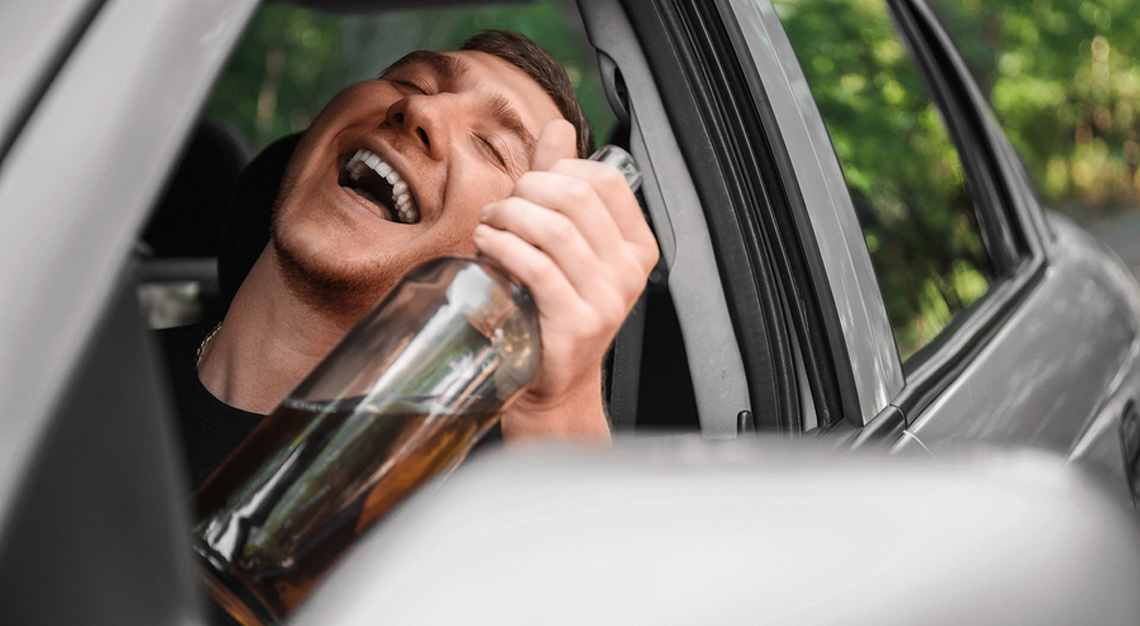
What Is a DUI Checkpoint?
A DUI checkpoint is sometimes referred to as a sobriety checkpoint. As part of a national initiative to end drunk driving, many state and local police institute roadblocks to randomly stop drivers and administer a sobriety check.
Generally, in order to stop a vehicle for a suspected crime, the police need to have probable cause. Under the Fourth Amendment, people have a right to be free from unreasonable searches and seizures. So why are DUI checkpoints legal?
In Michigan Dep’t of Police v. Sitz, the United States Supreme Court held that DUI checkpoints without reasonable suspicion do not violate the Fourth Amendment’s protection against unreasonable searches and seizures because the intrusion is comparatively “slight.” These stops have to follow a set pattern, and they may not be used in a discriminatory manner. For example, the police may decide in advance to stop only every fourth car to inspect for sobriety.
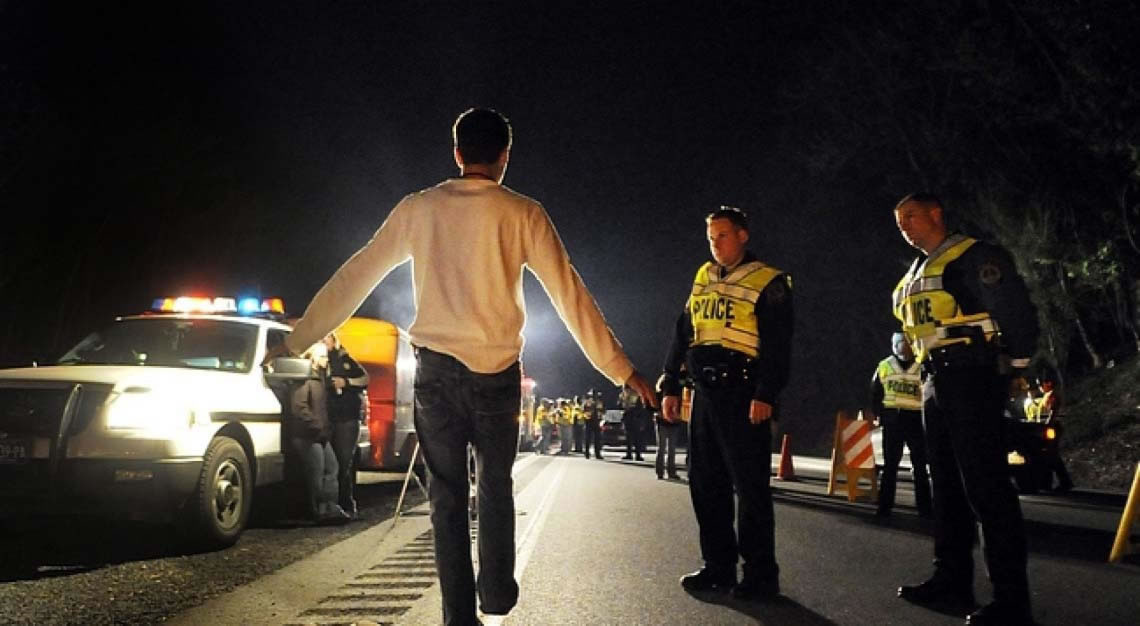
What to Do If You Are Stopped for a DUI?
The most important thing to remember when you are pulled over for a suspected DUI is that you have legal rights. A traffic stop is not the same as an arrest. Be courteous and non-confrontational, but be sure to follow these tips:
1. Do Not Provide More Information Than You Are Asked
Whether you were pulled over by the police or stopped at a DUI checkpoint, the police will likely ask you a few questions about where you are coming from, where you are going, and whether you’ve been drinking. While it is important to remain calm and not escalate the situation, you do not need to volunteer additional information. Sometimes, when nervous, people tend to over-explain or ramble. Do not do this. Anything you tell the officer as a voluntary statement will be used against you.
2. Remain Calm, and Keep Your Passengers Calm As Well
Usually, when someone is pulled over for a suspected DUI, it is because it is late at night, or on a weekend, when an officer may anticipate that the driver was out at a bar or a party. You may be a designated driver, for example, with a car full of rowdy passengers causing distractions. If you are pulled over with additional passengers in the car, set the expectation that they need to be calm and respectful as well. Even if you were not drinking, having a car full of visibly intoxicated passengers will probably reflect poorly on you and raise the officer’s suspicion that you have been drinking too.
3. Always Have Your License and Registration Within Reach
When pulled over, the officer will typically ask for your license and car registration. You do not want to be fumbling around looking for it. When you are nervous or on the spot, your hands may be shaky or you may experience a momentary lapse of memory. Always know where to find your license and registration so you can efficiently hand it over. This is important not only to help keep you calm in a tense situation, but it is also important for your safety. Traffic stops with police officers can easily escalate if the officer believes you are reaching toward a weapon rather than your license.
4. Notify the Officer If You Have a Weapon
Arizona is a concealed carry state. You do not need a permit to keep a firearm in your vehicle, but that does not mean you should attempt to conceal it from the police. Again, this is an issue of safety for both you and the officer. If you have a firearm in your vehicle, calmly inform the officer for their awareness.
5. Know Your Rights
Again, it is critical to know your legal rights during a traffic stop. The police may not search your car without your permission unless they have probable cause. However, probable cause is a somewhat nebulous concept; anything that leads an officer to believe that a crime is being committed can constitute probable cause. For example, if the officer smells alcohol or marijuana coming from the car, it may justify asking you to get out of the car and conducting a search. If there is no basis for probable cause, however, you can inform the officer that you do not consent to them searching your vehicle.
You are also allowed to record the traffic stop while you are on public property. Video recordings of stops have become increasingly important over the years. If an arrest or search was conducted unfairly, evidence obtained through that search may be able to be suppressed in a later trial. If you believe the officer is behaving unreasonably or in violation of your rights, you are free to record it.
Do I Have to Consent to a BAC Test?
When you’re pulled over for a suspected DUI, the procedure may include a blood alcohol content test (BAC), also known as a Breathalyzer. In Arizona, when you get your driver’s license, you have impliedly consented by law to being tested. While it is generally not against the law to refuse a BAC test, understand that this refusal will lead to the immediate suspension of your driver’s license.
If your license is suspended for failure to submit to a BAC test, you can challenge this suspension on a few different grounds. For example, if the officer asked you to take a BAC test without having probable cause to believe you were under the influence, the test was improper and you may be able to recover your license. Similarly, officers must warn you that your refusal to submit to the test will lead to a license suspension. If the officer did not warn you, then you can challenge the suspension. You must file a written challenge within 15 days after the arrest.
Note that if you have had previous DUI convictions, you may be required by law to submit to a BAC test. If you have an ignition interlock device on your vehicle and decline a BAC test, you may be charged with an aggravated DUI.
Talk to an Experienced Arizona DUI Lawyer
While it is important to be prepared to be pulled over at any time, there is really no way to prepare for the stress of a police encounter. If you have been arrested and charged with a DUI, do not attempt to handle your case alone. Speak with an experienced Arizona DUI defense lawyer to help defend your case.
If you're facing charges relating to a DUI, you might want to understand Arizona's law and secure the right legal counsel to ensure a fair trial.
Call the Phoenix DUI Lawyer criminal law team at (602) 900-9891 to get expert-level legal help with your case.


