

What is Underage DUI in Arizona? Arizona Underage DUI Laws: Penalties and Legal Consequences for Minors
Arizona has specific laws for drivers under 21 who operate a vehicle with any alcohol in their system. This offense falls under Arizona Revised Statute 4-244(34). Many people call this a baby DUI or under 21 DUI.
The main difference between a regular driving under the influence charge and an underage DUI is the legal limit. Standard DUI cases require proof that your blood alcohol concentration reached 0.08% or that you were impaired. An underage DUI works differently.

Arizona enforces a zero-tolerance policy for minors. If you are under 21, any detectable amount of alcohol in your body while driving can lead to charges. This means even a single drink could result in an underage DUI.
You don't need to show signs of impaired driving to face charges. The law focuses on the presence of alcohol, not whether it affected your ability to drive. A few sips of beer or wine can be enough to exceed the legal limit for underage drivers.
The state treats these cases seriously. There are no exceptions to this zero-tolerance approach. If you are under 21 and have any alcohol in your system while behind the wheel, you can face legal consequences.
This strict standard makes underage DUI cases different from regular DUI cases. The prosecution only needs to prove alcohol was present in your body, not that it impaired you.
DUI Laws for Drivers Under 21 in Arizona

Arizona enforces strict rules for drivers who are not yet 21 years old. Any driver under this age who gets pulled over with a blood alcohol level above 0.00% can face charges. This means even the smallest amount of alcohol in your system while driving is illegal if you are underage.
The state classifies this offense as a Class 1 misdemeanor under Arizona law. For a first-time charge, you might receive probation. However, the potential consequences are serious. You could face up to six months in jail and pay fines and surcharges totaling $2,500. Additional penalties may also apply depending on your specific case.
What You Should Know:
- Arizona operates under a zero-tolerance policy for underage drinking and driving
- Any detectable alcohol in your system can result in charges
- Penalties can include jail time, substantial fines, and probation
- Legal representation may help reduce charges or identify errors in the arrest process
If you face these charges, an experienced attorney can review your case for possible defenses. Police mistakes during evidence collection might lead to reduced penalties or case dismissal.
What ARS 4-244(34) Means

Arizona Revised Statutes § 4-244(34) makes it illegal for anyone under 21 to operate a vehicle with any alcohol in their body. This law also applies if you are in physical control of a car, even if you are not actively driving it.
The statute uses the term "spirituous liquor" to describe alcohol. If you are under the legal drinking age and have any amount of alcohol in your system while behind the wheel, you violate A.R.S. § 4-244(34).
Penalties for Underage DUI

First-time offenders do not face required minimum jail sentences like adults charged with standard DUI offenses. Courts often grant probation for young drivers with no prior record.
However, a conviction can still result in serious consequences. You could face jail time of up to six months. The court may impose fines reaching $2,500. You will also lose your driving privileges for two years through a mandatory license suspension.
Additional requirements include:
- Drug and alcohol counseling sessions
- Regular drug and alcohol testing
- Community service hours
- Installation of an ignition interlock device for two years after license reinstatement
The license suspension creates major challenges for young people in Arizona. Public transportation options remain limited across most of the state. You need a car to get to school, work, and other daily activities.
Your attorney may request a restricted permit from the Motor Vehicle Division. This special license lets you drive to specific locations during the suspension period. Approved destinations typically include school, work, and court-mandated alcohol education classes.
Two-Year Loss of Driving Privileges for Underage DUI
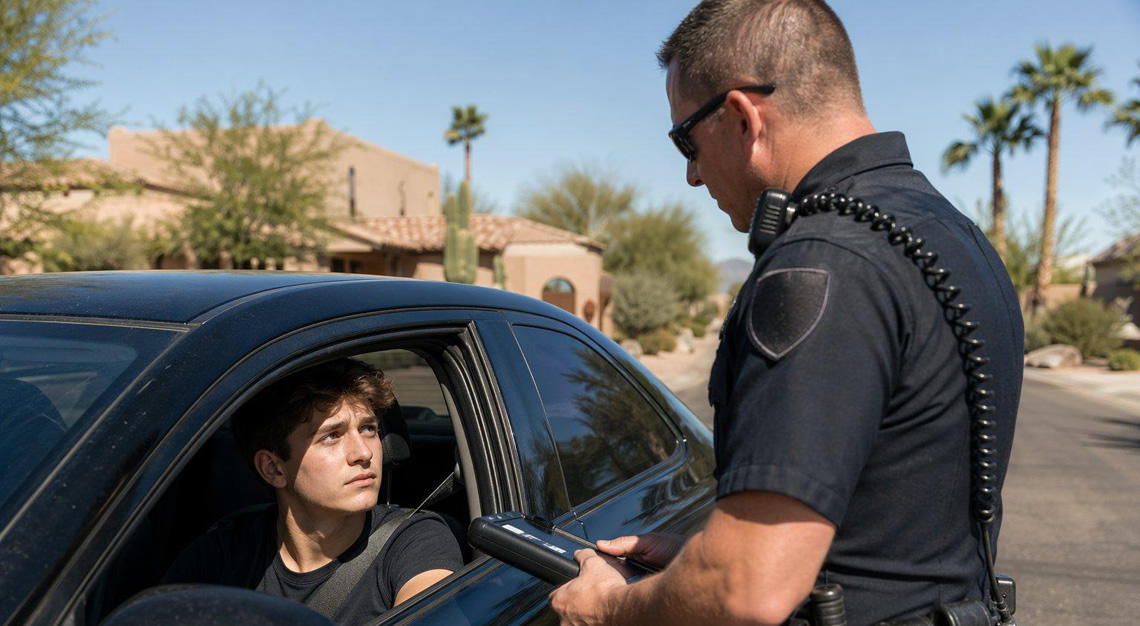
When you get convicted of an underage DUI in Arizona, you face one of the toughest penalties: losing your driver's license for two years. The Motor Vehicle Department must suspend your driving privileges as soon as they receive your conviction record. This applies to anyone who was 18, 19, or 20 years old when they committed the offense.
This suspension happens automatically. You cannot avoid it if you are convicted.
Getting a Restricted License
You might be able to get a restricted license during your suspension period. However, this is not guaranteed. The judge who handles your case has full control over this decision.
Your attorney will need to convince the judge that you should receive this limited driving privilege. If the court approves your request, you can only drive during specific times and for specific reasons.
A restricted license allows you to drive:
- Between your home and school
- Between your home and work
- During set time periods that match your school or work schedule
Requirements for Restricted Driving
If you receive permission to drive with restrictions, you must install an ignition interlock device in your vehicle. This device makes you blow into it before your car will start. It checks whether you have any alcohol in your system.
You cannot operate your vehicle without this device during your restriction period. The ignition interlock device stays in your car for as long as you have the restricted license.
The costs of installing and maintaining this device come out of your own pocket. You must also follow all rules about using the device correctly, or you risk losing even your restricted driving privileges.
Additional Impacts of an Underage DUI
Getting convicted of driving under the influence brings problems that go beyond court penalties. Your car insurance will become much harder to get and much more expensive. Some insurance companies might deny coverage entirely if you are a minor with a restricted permit.
If an insurer agrees to cover you, expect to pay around $3,000 more each year for three to five years. This adds up to over $15,000 in extra costs just to stay insured.
Your future opportunities will also take a hit. College admissions officers and scholarship committees review criminal records. A DUI conviction can lead to lost scholarships or rejected applications.
Finding a job becomes harder too. Many employers run background checks and may not hire someone with a DUI on their record. You might also need to install an ignition interlock device in your vehicle, which prevents the car from starting unless you pass a breath test.
Regular and Aggravated DUI Charges for Underage Drivers

Being under 21 does not shield you from standard DUI charges in Arizona. If your blood alcohol concentration reaches 0.08% or higher, or if you show any level of impairment while driving, you face the same charges as adult drivers.
Standard DUI penalties include:
- Mandatory jail time
- Two-year license suspension
- Court fines
- Ignition interlock device requirement
- Alcohol screening and education classes
- Probation terms
- Community service hours
Your age provides no protection when your BAC meets adult DUI thresholds. Certain conditions can elevate your charge to aggravated DUI, which is a felony offense. These aggravating factors carry much harsher punishments.
A felony conviction creates serious obstacles early in your life. It can prevent you from getting jobs, attending certain schools, and pursuing specific career paths. The consequences extend far beyond your initial court case and can affect your future for years to come.
Related Charges to Underage Drinking and Driving
When you face charges for underage drinking and driving, you may also encounter additional criminal charges. Each charge carries separate legal consequences.
Common accompanying charges include:
- Underage consumption of alcohol
- Minor in possession
- Using a fake ID to buy alcohol
You can be charged with possession of alcohol by a minor if you have alcohol in your vehicle during a traffic stop. This applies even when the container remains unopened. ARS 4-244(9) makes it illegal for anyone under 21 to possess alcohol.
A separate but related charge involves consuming alcohol as a minor. Both possession and consumption charges can result in jail time, monetary fines, probation, and suspension of your driver's license.
Using a fake ID to purchase alcohol is a class 1 misdemeanor. If you present false identification to buy alcohol before turning 21, you face serious consequences. These penalties may include time in jail and substantial fines.
Each of these charges stands independent of your underage drinking and driving case. You could face multiple charges from a single incident.
Defenses to Underage DUI

When you face underage DUI charges in Arizona, you have legal options to challenge the case against you. A DUI defense lawyer can review your situation and identify which defenses apply to your circumstances.
Constitutional Rights Violations
The Sixth Amendment gives you the right to speak with a lawyer after arrest. If police prevent you from exercising this right, your case could be dismissed. This includes situations where officers intentionally delay your phone call or refuse to let you contact an attorney. When law enforcement violates your constitutional protections, any evidence they gathered may not be allowed in court.
Illegal Traffic Stops
Police need valid reasons to pull you over. They cannot stop your vehicle based on a guess or random selection. Officers must observe specific behaviors or violations before initiating a traffic stop. Your Arizona DUI defense team can examine whether the stop was legal.
If the stop violated your Fourth Amendment rights, the court must exclude all evidence collected afterward. This often leaves prosecutors with no case. Common illegal stop scenarios include:
- No observable traffic violation
- Pulling you over based solely on the time of night
- Stopping you without witnessing any suspicious driving behavior
- Using an expired tag or equipment issue as a pretext for an unrelated investigation
Actual Physical Control Challenges
Arizona law allows DUI charges even when you are not actively driving. The state must prove you had actual physical control of the vehicle. This legal concept examines multiple factors rather than following strict rules.
Questions that matter in these cases include where you were sitting, whether the engine was running, where the keys were located, and whether the vehicle could be operated. If you were sleeping in the back seat with keys in your pocket, you may have strong grounds to fight the charges.
Field Sobriety Test Problems
The National Highway Traffic Safety Administration sets standards for when officers should and should not administer field sobriety tests. Certain physical conditions make these tests unreliable. Police should not conduct these tests if you:
- Wear shoes with heels over two inches tall
- Weigh more than fifty pounds over your recommended weight
- Have balance problems from a medical condition
- Suffer from ankle, back, hip, or knee injuries
Officers who ignore these guidelines produce questionable results. Your attorney can challenge test accuracy when these factors exist. The defense can also question whether the officer properly explained or administered the tests according to standardized procedures.
Each underage DUI case has unique facts that may support additional defenses. Legal representation helps identify weaknesses in the prosecution's evidence and protects your rights throughout the process.
How We Can Help

When you face underage DUI charges, our legal team conducts a thorough review of your case details and examines all evidence. We work to secure the best possible result for your situation.
Our services include:
- Negotiating reduced charges through favorable plea agreements
- Pursuing full dismissal of your charges
- Defending you at trial if negotiations do not succeed
- Safeguarding your driving privileges
- Working to minimize penalties
Our firm brings proven experience in DUI defense to your case. We understand prosecution strategies and know what evidence persuades prosecutors to reduce or drop charges. This insight comes from handling DUI cases and understanding how both sides approach these matters.
We examine every detail of your case to build a strong defense. Our goal is to protect your future by challenging the charges against you. When your case needs courtroom defense, we prepare effective arguments to give you the strongest chance of success.
You receive dedicated representation focused on your specific circumstances and legal needs.
Do You Need to Speak with a DUI Defense Lawyer?

Getting arrested for drunk driving is serious. You need to talk to a lawyer who knows DUI law right away.
An Arizona criminal defense attorney can look at your case and find ways to fight the charges. They know how to review police reports and test results for mistakes. They also understand what the prosecution needs to prove.
An Arizona DUI defense lawyer will explain your options and what could happen next. They can negotiate with prosecutors and represent you in court. Having legal help early gives you the best chance at a good outcome.
If you are under 21, the rules are even stricter. An Arizona DUI attorney who has handled underage cases knows how to protect your license and your future.
Getting legal representation quickly gives you the best chance for a favorable result. An attorney who knows Arizona's alcohol-related laws can make a real difference in your case.
Contact Phoenix DUI Lawyer Attorneys at Law at (602) 900-9891 to discuss your situation. Our criminal law team provides strong defense strategies for DUI cases throughout Arizona.


